Elmhurst, IL
Mold Inspection in Elmhurst, IL
Not sure whether a musty smell, water stain, or suspicious patch is a sign of a mold problem? A mold inspection can help assess visible conditions and identify areas where moisture may be contributing to mold growth.
Elmhurst Mold Pros helps property owners understand mold-related concerns and consider appropriate next steps. An inspection can focus on areas such as basements, closets, bathrooms, and locations affected by leaks or water intrusion.
Or call (630) 403-0701
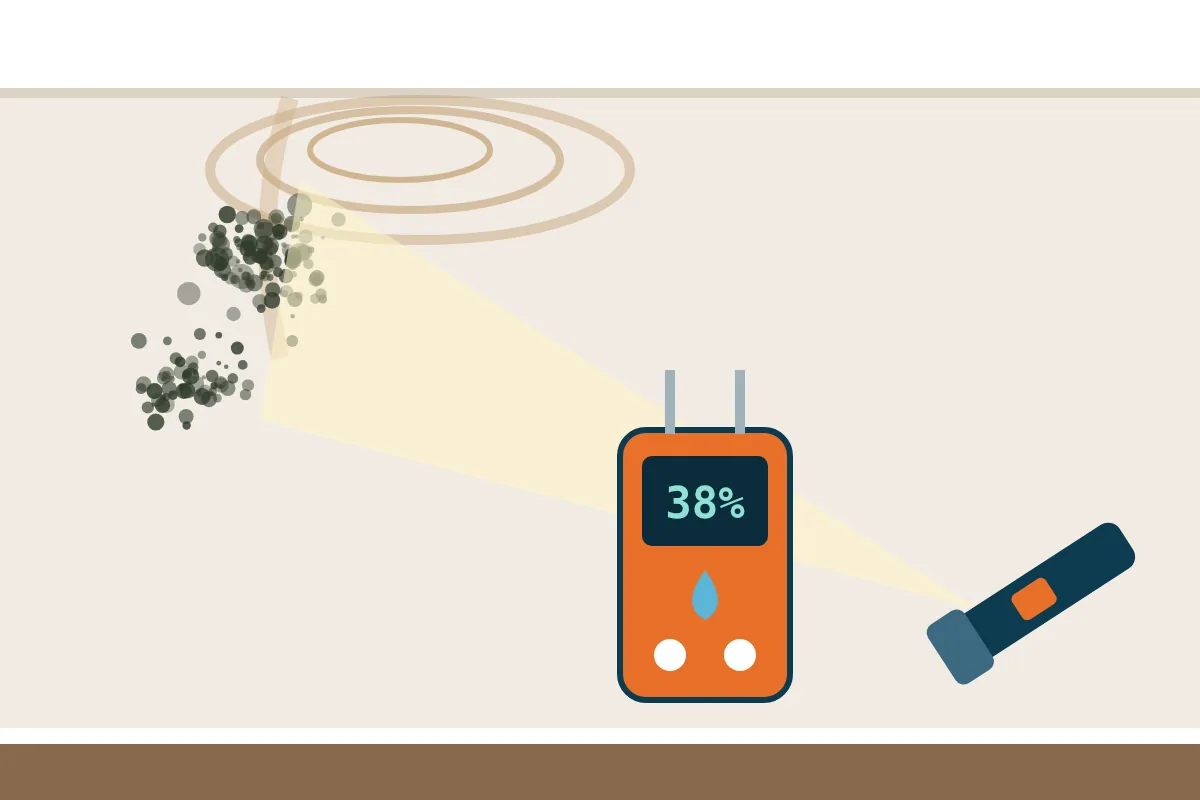
Mold Inspection Services for Elmhurst Homes and Businesses
Mold often develops in areas where moisture is present. Sometimes the signs are easy to see. In other cases, a property owner may notice a persistent odor or a recurring moisture issue without knowing whether mold is involved.
A mold inspection helps evaluate the conditions associated with a suspected mold problem. The scope may include examining visible mold-like growth, moisture staining, affected materials, and areas that have experienced water intrusion.
An inspection may be useful for concerns involving:
- Visible mold-like growth
- Musty odors
- Water stains on walls or ceilings
- Past plumbing leaks
- Basement dampness
- Mold concerns in closets or enclosed spaces
- Recurring moisture around windows or other building components
An inspection does not automatically include laboratory testing. If sampling is appropriate, mold testing should be considered separately based on the specific concern.
Signs You May Need a Mold Inspection
A Persistent Musty Odor
A musty smell may indicate damp materials or microbial growth. The odor alone does not confirm mold, but it can be a reason to investigate the area.
Discoloration on Walls or Ceilings
Dark, greenish, or irregular patches may resemble mold. Other materials and stains can look similar, so appearance alone cannot reliably identify the substance.
Previous Water Damage
A past leak or water intrusion event can leave materials damp. If the affected area was not dried properly, mold may develop.
Recurring Dampness
Repeated moisture in a basement, closet, or other enclosed area can create conditions that support mold growth.
Mold in an Enclosed Space
Closets, storage areas, and spaces with limited airflow may be worth assessing when there is a persistent odor or visible discoloration.
What Happens During a Mold Inspection?
The inspection scope depends on the property and the areas of concern.
Review the Concern
The property owner describes the issue, including when it began and whether there has been a leak, water damage, or recurring dampness.
Assess the Relevant Areas
The inspection may include visible mold-like growth, moisture staining, affected materials, and accessible areas connected to the concern.
Consider Possible Moisture Sources
Potential contributing conditions may include leaks, condensation, damp materials, or limited ventilation. The source may require further investigation if it is not readily apparent.
Discuss Findings and Next Steps
The findings can help determine whether additional investigation, testing, moisture correction, or remediation may be appropriate.
Common Areas for Mold Inspection
Basements
Basements may be affected by water intrusion, damp materials, or moisture accumulation. An inspection can focus on visible signs and conditions that may contribute to mold growth. Basement mold removal →
Closets
Closets with limited airflow or moisture concerns may develop musty odors or visible growth on walls, stored belongings, or other surfaces. Closet mold removal →
Ceilings and Walls
Water stains, bubbling paint, or damaged drywall may indicate a moisture problem that should be investigated.
Mold Inspection vs. Mold Testing
An inspection focuses on evaluating the property and identifying visible concerns or possible moisture conditions. Mold testing involves collecting samples for analysis.
A property may need an inspection, testing, both, or neither. The best approach depends on the concern and the information needed.
What Happens After a Mold Inspection?
Depending on the findings, next steps may include:
- Correcting a leak or other moisture source
- Improving moisture control or ventilation
- Further investigating a concealed area
- Considering mold testing for a specific question
- Arranging appropriate mold remediation — such as basement or closet mold removal — if affected materials require it
Addressing moisture is an important part of preventing mold from returning.
Mold Inspection FAQs
What is included in a mold inspection?
The scope may include an assessment of visible mold-like growth, moisture staining, affected materials, and areas associated with the concern. The exact scope should be confirmed before the inspection.
Can an inspection identify hidden mold?
An inspection may identify signs that suggest a concealed problem, but it cannot guarantee that all hidden mold will be located. Further investigation may be needed.
Do I need mold testing after an inspection?
Not in every situation. Testing may be useful when it can answer a specific question that cannot be resolved through the inspection alone.
Can I inspect my property myself?
You can observe visible conditions and moisture concerns, but an assessment may be helpful when the source, extent, or appropriate response is unclear. Avoid disturbing suspected mold.
What if mold is found in my basement?
The next steps depend on the extent of the affected area and the moisture source. Moisture control and appropriate remediation may be needed.
Does mold remediation really work?
Yes — when the moisture source is corrected and affected materials are properly removed or cleaned. It tends to fail when mold is sprayed or painted over, when hidden growth is missed, or when the leak or dampness continues. An inspection helps make sure the full problem is understood first. Read more about whether remediation works.
How do I find the best mold inspection services near me in Elmhurst, IL?
A good inspection focuses on moisture as well as mold: where it's coming from, which materials are affected, and how far it may extend. Ask what the inspection covers, whether testing is included or separate, and what you'll receive afterward. Elmhurst Mold Pros provides mold inspections in Elmhurst — call (630) 403-0701.
Concerned About Mold in Your Elmhurst Property?
Discuss your concerns with Elmhurst Mold Pros and find out whether a mold inspection may be appropriate.
Call (630) 403-0701