Elmhurst, IL
Basement Mold Removal in Elmhurst, IL
Basement mold can develop when moisture remains on walls, floors, stored materials, or other surfaces. A musty odor, visible discoloration, or signs of water intrusion may indicate that a basement needs further attention.
Elmhurst Mold Pros provides basement mold removal and remediation services for property owners in Elmhurst, IL. The appropriate approach depends on the affected materials, the extent of the problem, and the moisture conditions that contributed to it.
Or call (630) 403-0701
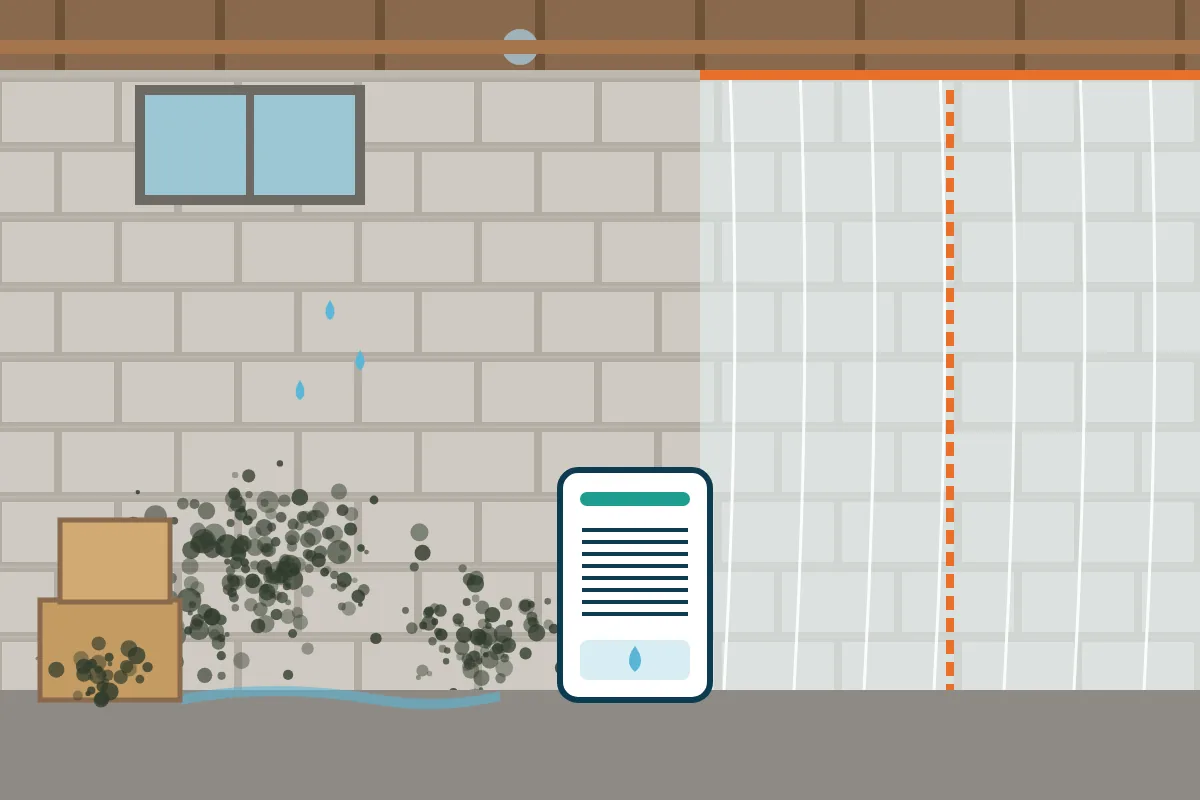
Basement Mold Remediation for Elmhurst Properties
Basements can be vulnerable to moisture because they are below or partially below ground level. Water intrusion, damp materials, condensation, and plumbing leaks can create conditions that allow mold to grow.
Mold may appear on drywall, wood, stored belongings, or other materials. The visible area does not always show the full extent of the moisture problem.
Basement mold remediation may involve:
- Assessing visible mold and affected materials
- Identifying moisture-related concerns
- Establishing an appropriate work area
- Removing or treating affected materials as appropriate
- Cleaning relevant surfaces
- Addressing moisture conditions that contributed to the issue
The appropriate scope depends on the property. Not every basement mold issue requires the same treatment or removal process.
Common Causes of Basement Mold
Water Intrusion
Water entering through basement walls, floors, or other building components can leave materials damp. The source of the water needs to be addressed to reduce the likelihood of recurring mold.
Plumbing Leaks
A leaking pipe, fixture, or drain can introduce moisture into nearby walls, floors, or stored materials.
Condensation
When humid air contacts cooler surfaces, condensation may occur. Repeated condensation can contribute to damp conditions.
Damp Stored Materials
Cardboard, fabrics, and other absorbent materials can retain moisture. Stored items may become affected when a basement remains damp.
Previous Water Damage
Materials that were not adequately dried after a water event may remain vulnerable to mold growth.
Where Can Mold Develop in a Basement?
Mold concerns may occur on or around:
- Drywall and finished basement walls
- Wooden framing or trim
- Flooring and carpet materials
- Stored boxes and belongings
- Areas near plumbing
- Corners or spaces with limited airflow
- Materials affected by water intrusion
A visual assessment can help determine which areas need closer attention. If you suspect hidden moisture behind walls or under flooring, a mold inspection may be a useful first step.
Our Basement Mold Removal Process
Assess the Affected Area
The property and the reported moisture concern are reviewed to help determine the scope of work.
Identify Moisture-Related Conditions
The source of moisture should be considered before or during remediation. If the source is not clear, additional investigation — such as a mold inspection — may be necessary.
Plan the Remediation
The work plan depends on the affected materials and the extent of the mold concern. Appropriate precautions and containment may be needed.
Address Affected Materials
Depending on the situation, affected materials may require cleaning, treatment, or removal. Porous materials that cannot be adequately cleaned may need to be discarded.
Clean the Work Area
The work area is cleaned according to the scope of the remediation.
Discuss Moisture Prevention
The property owner should understand the moisture conditions that contributed to the issue and what may help reduce the chance of recurrence.
Basement Mold Removal Cost in Elmhurst, IL
The cost of basement mold remediation depends on the size and complexity of the affected area.
Many mold remediation projects may cost approximately $1,200–$3,800, but this is a broad estimate, not a quote. Actual costs vary based on:
- The size of the affected area
- The type of materials involved
- Whether materials need to be removed
- The source and extent of moisture
- Accessibility of the affected area
- The amount of containment and cleaning required
- Whether additional work is needed after remediation
A property-specific assessment is needed to establish an appropriate scope and price.
How to Help Prevent Basement Mold
After addressing an existing mold concern, moisture management is important. Consider the following:
- Repair plumbing leaks and water intrusion promptly.
- Investigate recurring dampness.
- Keep stored items away from persistently damp surfaces.
- Avoid storing moisture-sensitive materials directly on basement floors.
- Monitor areas where water damage has occurred.
- Consider appropriate humidity control where needed.
These steps may help reduce moisture-related risks, but they cannot guarantee that mold will never return.
Basement Mold Removal FAQs
Can basement mold return after removal?
Mold can return if moisture conditions remain or develop again. Addressing the underlying moisture source is an important part of remediation.
Does all moldy drywall need to be removed?
Not always. The appropriate response depends on the material, the extent of the affected area, and whether the material can be adequately cleaned. Some porous materials may need removal.
Is a musty basement always a sign of mold?
Not necessarily. A musty odor may be associated with damp materials or microbial growth, but the odor alone does not confirm mold. Further assessment may help identify the cause.
Can basement mold spread to other rooms?
Mold-related particles can move through indoor air, but the extent of any impact depends on the conditions and building layout. A suspected issue should be assessed based on the affected area and moisture source.
How long does basement mold remediation take?
The timeframe varies according to the size of the affected area, materials involved, moisture conditions, and work required. A specific timeframe should be discussed after the scope is understood.
Is professional mold remediation worth it for a basement?
For a small surface spot on concrete, often not — the EPA notes many homeowners can handle areas under about 10 square feet. It's usually worth it when mold covers a larger area, affects finished walls, insulation, or carpet, appears after flooding, or keeps returning. Read our full answer.
What do professionals use to remove basement mold?
Professional remediation typically involves containment with plastic sheeting, HEPA air filtration, HEPA vacuums, protective equipment, and moisture meters to find wet materials. Affected porous materials are removed, remaining surfaces are cleaned, and dehumidifiers help dry the space.
How do I find the best basement mold removal services near me in Elmhurst, IL?
Choose a company that takes the basement's moisture source seriously — water intrusion, leaks, or humidity — and explains which materials will be removed versus cleaned and how the area will be contained. Elmhurst Mold Pros provides basement mold removal in Elmhurst — call (630) 403-0701.
Need Basement Mold Removal in Elmhurst, IL?
If you have noticed mold, a musty smell, or moisture concerns in your basement, contact Elmhurst Mold Pros to discuss the issue and possible next steps.
Call (630) 403-0701