Elmhurst, IL
Bathroom Mold Remediation in Elmhurst, IL
Bathrooms produce more moisture than almost any other room in the house. A little mildew on shower grout is common and often cleanable, but mold that keeps returning, spreads across a ceiling, or shows up around a vanity or toilet can point to a bigger moisture problem.
Elmhurst Mold Pros provides bathroom mold remediation in Elmhurst, IL, helping homeowners tell the difference between a surface cleaning job and a problem that needs remediation.
Or call (630) 403-0701
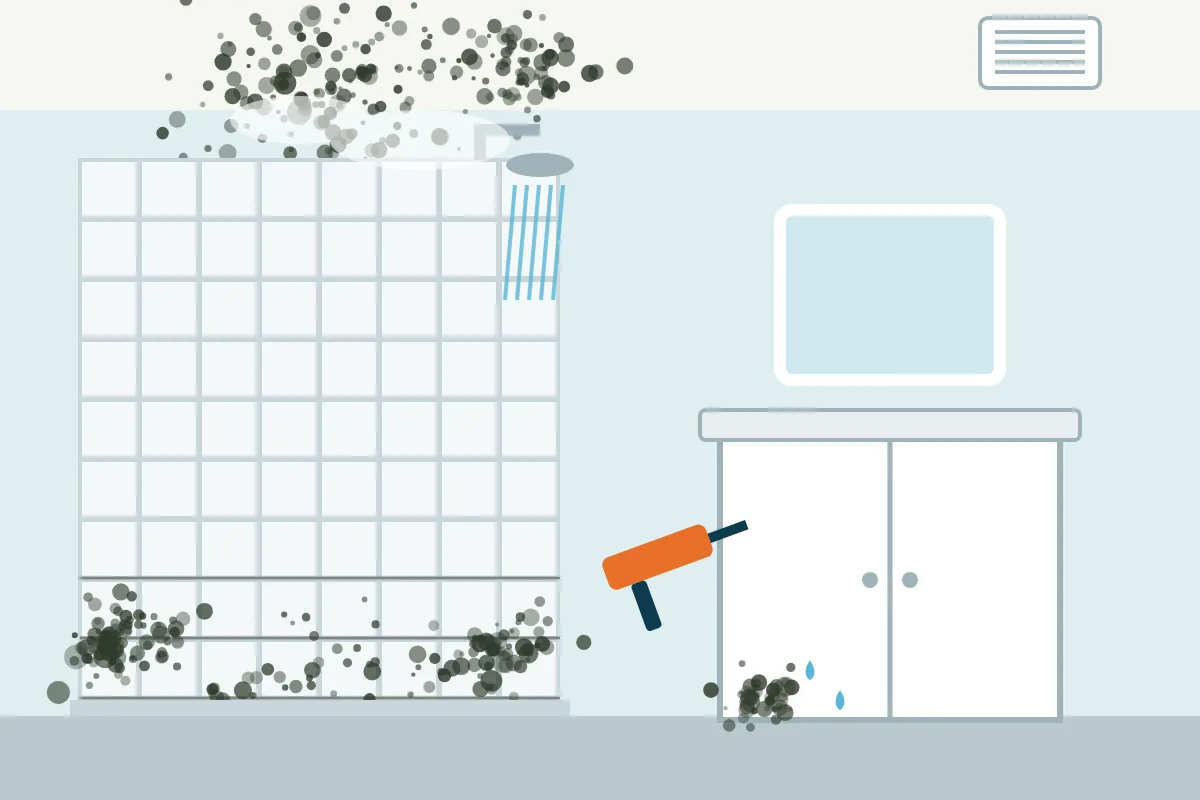
Bathroom Mold Remediation for Elmhurst Homes
Hot showers, limited ventilation, and plumbing fixtures all bring moisture into bathrooms. When that moisture can't escape — or water leaks behind walls and floors — mold can grow on drywall, ceiling paint, grout, caulk, subfloors, and the back of vanities.
Bathroom mold remediation may involve:
- Assessing visible growth and the materials affected
- Checking for leaks around tubs, showers, toilets, and sinks
- Containing the area before work begins
- Removing affected drywall, caulk, or other materials that can't be cleaned
- Cleaning and drying the remaining surfaces
- Discussing ventilation and moisture control
Where Bathroom Mold Hides
Shower Grout and Caulk
Grout lines and caulk joints stay wet after every shower. Surface mildew here is common, but dark staining that won't clean out or failing caulk can let water reach the wall behind.
Ceiling Above the Shower
Steam rises and condenses on the ceiling. Spots that spread or return quickly after cleaning often signal a ventilation problem.
Under the Vanity Sink
Slow drips from supply lines or drains can soak the cabinet floor and wall behind it for months without being noticed.
Around and Behind the Toilet
A failing wax ring or supply line leak can wet the subfloor and the drywall behind the tank.
Behind Tile and Shower Walls
Cracked grout, failed waterproofing, or a leaking valve can allow water into the wall cavity. Loose tiles or soft drywall nearby are warning signs.
Surface Mildew or a Bigger Problem?
| Often a Surface Cleaning Job | May Need Professional Remediation |
|---|---|
| Small spots on grout or tile | Growth across a large section of wall or ceiling |
| Mildew that cleans off and stays away for weeks | Mold that returns within days of cleaning |
| Growth on non-porous surfaces only | Soft, stained, or bubbling drywall |
| No musty odor once cleaned | Persistent musty odor, especially near the vanity or toilet |
| No signs of a leak | Loose tile, a leak, or water damage on the ceiling below |
The EPA notes that many homeowners can clean mold areas smaller than about 10 square feet themselves. If you can't tell where the moisture is coming from, a mold inspection can help.
Common Causes of Bathroom Mold
- No exhaust fan, or one that's too small for the room
- A fan that vents into the attic instead of outdoors
- Turning the fan off right after showering, before moisture has cleared
- Cracked grout or failed caulk letting water behind the tile
- Plumbing leaks at supply lines, drains, valves, or the toilet
- Winter condensation on exterior walls and windows
Our Bathroom Mold Remediation Process
Assess the Bathroom
We look at visible growth, affected materials, and likely moisture sources, such as ventilation, leaks, or failed caulk and grout.
Contain the Area
The work area is separated from the rest of the home where needed to limit the spread of particles.
Remove What Can't Be Cleaned
Affected drywall, caulk, and other porous materials may need to be removed.
Clean and Dry
Remaining surfaces are cleaned, and the area is dried before any rebuilding.
Address the Cause
We discuss fixing leaks, resealing, and ventilation improvements so the problem doesn't return.
How to Prevent Bathroom Mold
- Run the exhaust fan during showers and for about 20–30 minutes afterward.
- Make sure the fan vents outdoors, not into the attic.
- Squeegee or wipe down shower walls after use.
- Repair cracked grout and failing caulk promptly.
- Fix drips under sinks and around toilets right away.
- Keep indoor humidity in the range the EPA recommends — ideally between 30 and 50 percent.
What Affects the Cost of Bathroom Mold Remediation?
Costs depend on whether the mold is on the surface or inside walls, ceilings, or the subfloor; how much material needs to be removed; and whether a leak or ventilation problem must be corrected. See typical mold remediation costs in Elmhurst.
Bathroom Mold Remediation FAQs
Can I clean bathroom mold myself?
Small areas of surface mildew on tile, grout, or tubs can usually be cleaned with a household cleaner and good ventilation. Larger areas, growth on drywall, or mold that keeps coming back usually means there's a moisture problem that needs to be found and fixed.
Why does mold keep coming back in my shower?
Usually because the moisture isn't leaving the room fast enough, or water is getting behind failed caulk or grout. Running the exhaust fan longer, confirming it vents outdoors, and resealing joints often helps.
Is mold on my bathroom ceiling a sign of a bigger problem?
It can be. Ceiling mold is often a ventilation issue, but if it spreads quickly or the drywall is stained or soft, there may be a leak from above or condensation in the attic.
Does a musty smell under the bathroom sink mean mold?
It often means moisture. Check for drips from supply lines and the drain. A persistent odor with a damp cabinet floor is worth investigating.
How do I find the best bathroom mold remediation services near me in Elmhurst, IL?
Choose a company that looks for the cause — ventilation, leaks, or failed seals — rather than just cleaning the visible spots. Ask what will be removed, how the area will be contained, and what you'll need to change to prevent it returning. Elmhurst Mold Pros serves Elmhurst homeowners — call (630) 403-0701.
Mold in Your Elmhurst Bathroom?
If bathroom mold keeps coming back or has spread beyond the surface, contact Elmhurst Mold Pros to discuss the next step.
Call (630) 403-0701